

Blog
Redesign your world. Guides and reflections to confirm another way of life is possible.
-

August 27, 2026
The New European Frontier: Emerging Destinations for Remote Work in 2026
Read moreIn 2026, the map of digital nomadism in Europe has been completely redrawn. After years of overcrowding in traditional hubs such as Lisbon, Barcelona, and Berlin, remote professionals are shifting their attention toward cities and regions that offer more than just a good internet connection. They offer room to breathe and a more human pace of life.
It's no longer just about finding the cheapest place. It's about identifying destinations where world class digital infrastructure meets quality of life and sustainability. Below, we explore the new spots that are defining remote work in Europe this year.
- The Baltic Corridor: Digital Efficiency and the Nordic Lifestyle The Baltic countries are no longer considered alternative destinations. They have become leaders in infrastructure for remote workers.
Tallinn (Estonia): It continues to be the global benchmark thanks to its e Residency program and advanced digital infrastructure that makes administrative tasks remarkably simple. It is ideal for those seeking clear systems and a strong technology environment.
Riga (Latvia) and Vilnius (Lithuania): These cities combine stunning historic architecture with a rapidly growing startup ecosystem and creative coworking spaces. With monthly living costs ranging from $1,200 to $1,600, they provide a modern and affordable European base.
- The Alternative Mediterranean: Albania and the Balkans For those looking for the Mediterranean lifestyle without the crowds and prices of traditional capitals, the Balkans have become the new frontier.
Tirana (Albania): It has become a favorite thanks to its ideal climate, nearby beaches, and an extremely competitive cost of living of less than $1,000 per month. Albania also offers attractive legal options through its digital nomad visa.
Slovenia: It is the perfect refuge for people who love mountains and tranquility. Compact and safe cities support routines rooted in nature, with immediate access to lakes and forests, far from the noise of the major nomad hubs.
- Northern Spain and Portugal Beyond the Main Hubs The search for cooler climates and less crowded environments has driven an internal migration across the Iberian Peninsula.
Asturias and Galicia (Spain): Northern Spain offers a greener alternative with a slower pace, outstanding cuisine, and the feeling that work is not the only thing that defines the day. It is an ideal destination for slow travel, allowing long stays in coastal or mountain villages with reliable Wi Fi.
Portugal beyond the main hubs: Regions such as Alentejo and the northern interior offer authentic small town living with coliving infrastructures that prioritize community and relief from urban stress.
- Urban Hubs in Eastern Europe: Tech and Tradition Romania and Bulgaria are attracting a new wave of developers and creatives who need speed without distractions.
Cluj Napoca (Romania): Known as Romania's "Silicon Valley," it stands out for its vibrant tech scene and an environment with less noise and greater focus.
Sofia (Bulgaria): It combines one of Europe's most affordable capitals with immediate access to the mountains, offering the perfect balance for people who enjoy outdoor activities after the workday.
The Importance of Choosing the Right Environment As we promote at Slowork, the success of working remotely from these new destinations in 2026 depends not only on the speed of the Wi Fi, which in these locations is typically fiber optic up to 300 Mbps, but also on the environment's ability to support your wellbeing.
Choosing places that encourage recovery, movement, and genuine connection with the local community is what makes the nomadic lifestyle sustainable over the long term. Instead of jumping between destinations every week, the current trend is to stay for one to three months, allowing the nervous system to settle and productivity to flow naturally.
Design Your Rhythm with Slowork Ready to discover your next European retreat? Join our community on Instagram @_slowork for daily inspiration, and use the Slowork App to find these and other verified Slowspots with affordable living costs and environments designed to support your focus.
-

August 13, 2026
The Operational Standard for Remote Work in 2026
Read moreIn 2026, remote work has moved beyond the era of "digital presenteeism." It's no longer enough to stay connected to Slack or Zoom. The maturity of digital nomadism now requires an infrastructure that allows work to move forward while you sleep in a Slowspot in Europe or explore a slate village in Portugal.
Professional success today doesn't depend on how many meetings you have, but on how well you've designed your asynchronous ecosystem.
- The End of Transatlantic Meeting Overload One of the biggest challenges identified in 2026 is coordination fatigue. Trying to get a distributed team across Mexico City, Madrid, and Bangkok to meet in real time is operationally inefficient.
Leading companies have adopted an asynchronous first model. Real time communication is reserved only for emergencies or social milestones. This allows professionals to choose strategic locations based on cost of living and internet quality, without the pressure of staying awake at 3:00 a.m. for a call.
- Documentation as the "Single Source of Truth" For freedom of movement to be sustainable, information must be accessible without depending on another person. In 2026, the digital infrastructure of a successful remote business includes:
Standard Operating Procedures (SOPs): Detailed documentation of every task so that any team member can execute it in any time zone.
Context in every message: Write with the assumption that the recipient will read the message eight hours later. This reduces decision fatigue by providing all the necessary information in advance.
- Project Management Tools in the AI Era In 2026, tools like Notion, Asana, and Trello have integrated artificial intelligence layers that summarize conversation threads and automatically update project statuses. This allows remote workers to focus on Deep Work, which is essential for creatives and developers seeking quiet environments where they can produce their best work.
Today's operational key is automating repetitive tasks through platforms like Zapier or Make, freeing up time for local exploration and deeper integration into the communities we visit.
- Digital Security and Legal Compliance As digital nomadism has become mainstream, legal and security considerations are more critical than ever. Working from a new country means considering:
VPNs and data security: Protecting corporate information on coworking networks or public cafés.
Tax clarity: Understanding the difference between a lifestyle stay (one month) and a tax decision (more than six months).
Dedicated visas: Using legal pathways such as the Destination Thailand Visa (DTV) or the White Card in Hungary, which provide stability for periods ranging from one to five years.
- The Impact of Latency and Connectivity in 2026 High speed Wi Fi is no longer a luxury, it is a commodity. However, the remote worker of 2026 evaluates destinations based on their backup infrastructure. Cities like Medellín and Bucharest have become global hubs because they offer fiber optic connections of up to 300 Mbps and reliable backup connectivity, allowing asynchronous collaboration, especially the transfer of large files or software deployments, to happen without friction.
Conclusion: From Flexibility to Complete Autonomy Remote work in 2026 isn't about "being available," it's about owning the outcomes. Designing an asynchronous operating rhythm allows work to support your life instead of exhausting it. In the end, true geographic independence is only achieved when the system you've built is stronger than a change in time zone.
Design Your Rhythm with Slowork Join our community on Instagram @_slowork to optimize your remote operations, and use the Slowork App to discover verified destinations with affordable living costs and the technical infrastructure your career demands.
-

July 30, 2026
How to protect your deep focus in the era of saturated coliving spaces (2026 Guide)
Read moreIn 2026, high speed Wi-Fi has become a commodity. What was once considered a luxury (fiber optic internet on an island in Indonesia or in a village in the Pyrenees) is now the minimum standard. However, a new scarcity has emerged in the life of the remote worker: uninterrupted silence.
With more than 18 million professionals moving around the world, popular destinations and colivings are more crowded than ever. The freedom to work from anywhere has created a paradox: we're surrounded by people living the same lifestyle, yet their physical and social presence can become the biggest distraction to our productivity.
- Noise as an Invisible Energy Leak We often blame our lack of discipline when we can't concentrate, but the problem is usually the environment. Small distractions, a conversation in the coliving kitchen, the echo of a call in the coworking space, or the traffic of a vibrant city, force the brain to constantly restart its attention cycle.
This "reset cost" not only reduces the amount of work you produce, but also drains your mental energy long before the day is over. At Slowork, we believe that in 2026, true productivity isn't about managing your time, it's about managing your sensory architecture.
- Designing Your "Focus Capsule" in Shared Spaces If you can't control the entire building, you need to learn how to control your micro environment. To work effectively in shared spaces, apply these spatial design strategies:
Visual anchoring: Work facing a neutral wall or a window overlooking nature. The constant movement of people in your peripheral vision keeps your nervous system in a mild state of alert, preventing deep work.
Social signaling: In 2026, the boundaries between "being on a trip" and "being at work" are more blurred than ever. Wear large headphones or place a physical signal on your desk. It's not just about blocking noise, it's a visual barrier that tells the community that, even though you're in a shared space, your mind isn't available.
The "Library Effect" and a Culture of Respect The best destinations for 2026 aren't necessarily the cheapest, they're the ones that have implemented what we call the "Library Effect." These are spaces where the community has implicitly agreed that silence is a shared resource. When choosing your next Slowspot, look for accommodations that offer dedicated silent zones separate from social areas. The physical separation between where you make coffee and where you think is essential to prevent work from spilling into your recovery time.
Auditory Routines: Sound as a Boundary When your environment is noisy, routine becomes your greatest stability tool. Creating a "focus playlist" that you only listen to during deep work hours trains your brain to enter a flow state, whether you're in a café in Bucharest or a cabin in Patagonia. Remember: routine isn't rigidity, it's a way to protect your creativity from constant overstimulation.
Choosing Destinations for Their "Low Sensory Density" In 2026, the trend is moving away from overcrowded digital nomad hubs toward regions that offer "quiet luxury." Places such as northern Spain, remote villages in Eastern Europe, or wellness oases in South America are now valued for their ability to provide an environment where the nervous system can truly settle.
Conclusion: Silence Is Mental Health Remote work gave us the freedom to choose our office, but now we have the responsibility to choose our peace. Don't let freedom become friction by failing to protect your environment. In the era of hyper connectivity, the greatest act of rebellion and productivity is silence.
Design Your Rhythm with Slowork Tired of noisy coworking spaces draining your energy? Join our community on Instagram @_slowork for daily tips on remote lifestyle design, and use the Slowork App to discover verified Slowspots: places where silence, nature, and sustainable productivity come first.
-

July 16, 2026
How to Train Your Mind for Geographic Freedom in 2026:
Read moreMany remote workers begin their journey seeking freedom, only to end up facing an unexpected form of stress: hyper-adaptation.
In 2026, with more than 18 million people identifying as digital nomads in the U.S. alone, the conversation has shifted from "How can I travel?" to "How can I keep my mind clear while the world around me is constantly changing?"
Remote work promised to eliminate barriers, but the reality is that the human brain is not designed to reset every Monday in a different time zone or a different room. If you feel your productivity dropping despite being in a "dream destination," the problem isn't you—it's your mental transition architecture.
The Cost of "Constant Novelty" The brain consumes an enormous amount of energy processing new experiences: from figuring out how the coffee machine works in your new coliving space to adapting to the street noise in a city like Bali or Bucharest. This accumulated cognitive load often disguises itself as normal fatigue, but if left unmanaged, it can lead to the dreaded nomad burnout. To work effectively remotely, part of our lives needs to run on "autopilot." When everything becomes a decision (where to eat, what transportation to use, whether the Wi-Fi will be reliable), the energy available for deep work drops dramatically.
The "Non-Negotiable Anchors" Rule The solution to staying productive in a new country isn't to push yourself harder—it's to rebuild the cues your brain uses to focus. At Slowork, we suggest creating non-negotiable anchors: habits that travel with you, whether you're in a remote European village or a wellness oasis in South America. The cue object: Always use the same laptop stand or the same mug. Your nervous system will associate that object with "focus time," reducing the friction of changing environments. The admin window: Don't handle logistics (visas, SIM cards, grocery shopping) during your peak mental clarity hours. Protect them as if you were working in a traditional office.
Why Does the Brain Need Slow Travel to Be Creative? There's a myth that novelty fuels creativity. Science, however, suggests that creativity requires space and silence—not just stimulation. Short stays keep the brain in "scanning mode," constantly searching for threats or resources in the new environment. By embracing slow travel (stays of at least one to three months), you allow your nervous system to settle. Only when the environment becomes familiar does the brain free up resources for strategic thinking and complex problem-solving.
The Ethics of Presence: Mental Health and Community Working remotely with intention doesn't just help local communities avoid gentrification—it also protects your own mental health. Nomadic loneliness often stems from transactional, short-lived relationships. Slowly integrating into a neighborhood, learning basic phrases in the local language, and supporting local businesses gives you a temporary sense of belonging that acts as a buffer against emotional instability. You're not just a visitor; you're a guest who contributes to and receives stability.
Designing Your "Recovery Kit" for 2026 In a digitally saturated world, your work environment should become a recovery tool. In 2026, the most valued destinations are no longer the cheapest ones, but those that offer: Immediate access to nature: Walking for 40 minutes among trees improves executive attention more than any productivity hack. Physical separation: Places that allow you to close a door or visually disconnect from your workspace at the end of the day.
Final Reflection: Freedom Needs a Rhythm True geographic freedom in the era of remote work isn't about being able to go anywhere—it's about having the ability to be fully present wherever you are while fulfilling your responsibilities. Productivity returns when you stop fighting change and start designing a rhythm that protects your mental energy. Because, in the end, the goal of remote work isn't just to see the world—it's to experience it with clarity and purpose.
FAQ: Frequently Asked Questions About the Psychology of Remote Work
Why do I feel guilty when I'm not exploring the new country? It's the result of mixing "travel mode" with "work mode." The solution is to separate your day with clear boundaries: deep work in the morning and intentional exploration after a set hour.
How long does it take the brain to adapt to a new destination? Generally, the first week is an adjustment period, and productivity tends to be lower. By the third week, work rhythms usually stabilize, and cognitive load begins to decrease.
Is it better to work from a café or from a remote-ready accommodation? For administrative tasks, a café can be inspiring. However, for deep work, a room specifically designed for focus—with natural light and ergonomic furniture—is essential to avoid draining your nervous system.
Design Your Rhythm with Slowork Join our community on Instagram @_slowork for daily inspiration, and use the Slowork App to discover verified remote destinations with affordable costs of living.
-

June 8, 2026
Why the Room You Work From Changes How Work Feels
Read moreThe room you work from can change how remote work feels. Learn why light, quiet, space and calm affect focus, mood and daily recovery.
-

June 4, 2026
Recovery-Focused Stays: The Next Shift in Wellness Hospitality
Read moreWellness hospitality is shifting toward recovery-focused stays. Learn how hosts can support sleep, calm, remote work, nature and real guest recovery.
-

June 1, 2026
How to Plan a 2-Week Workation Without Using All Your Vacation Days
Read morePlan a 2-week workation without using all your vacation days. Learn how to balance remote work, recovery, routines and a calmer place to stay.
-

May 28, 2026
The Hidden Cost of Digital Nomad Burnout
Read moreDigital nomad burnout is becoming more common. Learn why freedom without stability can feel exhausting, and how slower travel, routine and better environments help.
-

May 25, 2026
Why Your Work Environment Matters More Than You Think
Read moreLearn how your work environment affects focus, mental wellbeing and remote work productivity — and how to know when you need a better place to work.
-

May 20, 2026
How Digital Nomads Can Support Local Communities Without Causing Harm
Read moreLearn how digital nomads can support local communities through slower stays, local spending, respect, and more thoughtful travel choices.
-

May 18, 2026
From Chaos to Creativity: Why Digital Nomads Need a Work Routine
Read moreDiscover why digital nomads need a work routine to protect focus, creativity and mental clarity while traveling and working remotely.
-

May 14, 2026
How to Balance Remote Work and Family Life as a Nomadic Parent
Read moreLearn how to balance remote work family life as a nomadic parent with practical routines, calmer destinations, childcare planning and realistic boundaries.
-

May 11, 2026
How to Stay Productive While Working From a New Country
Read moreStruggling to focus while working from a new country? Learn why productivity drops and how to rebuild your routine with simple, practical changes.
-

May 7, 2026
What Makes a Good Remote Work Destination in Europe?
Read moreLearn what makes a remote work destination in Europe truly work: visa ease, calm routines, nature access and slow travel. Choose better.
-

May 4, 2026
Is Turkey Tax-Free for Foreign Income? What Remote Workers Need to Know
Read moreUnderstand how Turkey taxes foreign income, residency rules, and what remote workers should consider before staying longer or relocating.
-

April 27, 2026
Digital nomad burnout and how to fix it
Read moreLearn the signs of burnout and how slow travel can help.
-

April 20, 2026
Slow travel for remote workers: how to stay longer and work better
Read moreDiscover how slow travel helps remote workers improve productivity, reduce burnout, and build a more sustainable travel lifestyle.
-

April 13, 2026
How digital nomad visas work
Read moreLearn how digital nomad visas work and how to apply.
-

April 6, 2026
How nature improves productivity for remote workers
Read moreDiscover how nature impacts productivity and mental clarity.
-

March 30, 2026
How to become a digital nomad
Read moreLearn how to become a digital nomad in 2026. Discover the skills, jobs, tools, and steps needed to start working remotely while traveling the world.
-

March 23, 2026
How to get more bookings for your hotel in 2026
Read moreLearn modern hotel marketing strategies including remote workers and digital nomads.
-

March 16, 2026
Best digital nomad visas in 2026
Read moreDiscover the best digital nomad visas in 2026. Compare 12 countries, income requirements, visa duration, and the best destinations for remote workers.
-

March 9, 2026
What is a digital nomad? Complete guide
Read moreLearn what a digital nomad is and how the lifestyle works in 2026.
-

September 1, 2025
Best remote work destinations in Eastern Europe (2026 guide)
Read moreEastern Europe is emerging as a remote work hotspot in 2026. Discover the best cities for digital nomads, from Estonia to Albania, with Wi-Fi, affordability and vibrant communities.
-

August 25, 2025
How to get a digital nomad visa in Thailand in 2026
Read moreThailand now offers a 5-year digital nomad visa (DTV) that finally makes long-term remote work in paradise a legal reality. Here’s everything you need to apply.
-
August 18, 2025
How digital nomads save money while traveling the world
Read moreTraveling as a digital nomad doesn't have to break the bank. Here's how to manage your budget smartly and live well while exploring the world.
-
August 11, 2025
The ultimate guide to sustainable travel for digital nomads
Read moreLearn how to reduce your footprint as a digital nomad with eco-friendly stays, low-impact transport, and conscious habits to travel sustainably without compromise.
-
August 4, 2025
Hidden wellness havens in South America
Read moreExplore 10 hidden wellness havens in South America where responsible digital nomads combine ethical remote work, slow travel, and sustainability for balance and deep focus.
-

July 28, 2025
Are digital nomads part of the problem? Rethinking remote work to avoid gentrification
Read moreDigital nomadism is growing fast but without responsible practices, it can unintentionally fuel gentrification and harm local communities.
-
July 21, 2025
10 remote villages in Europe for digital nomads
Read moreDiscover 10 remote European villages perfect for digital nomads seeking peace, productivity, and work-life balance in beautiful, quiet settings.
-
July 14, 2025
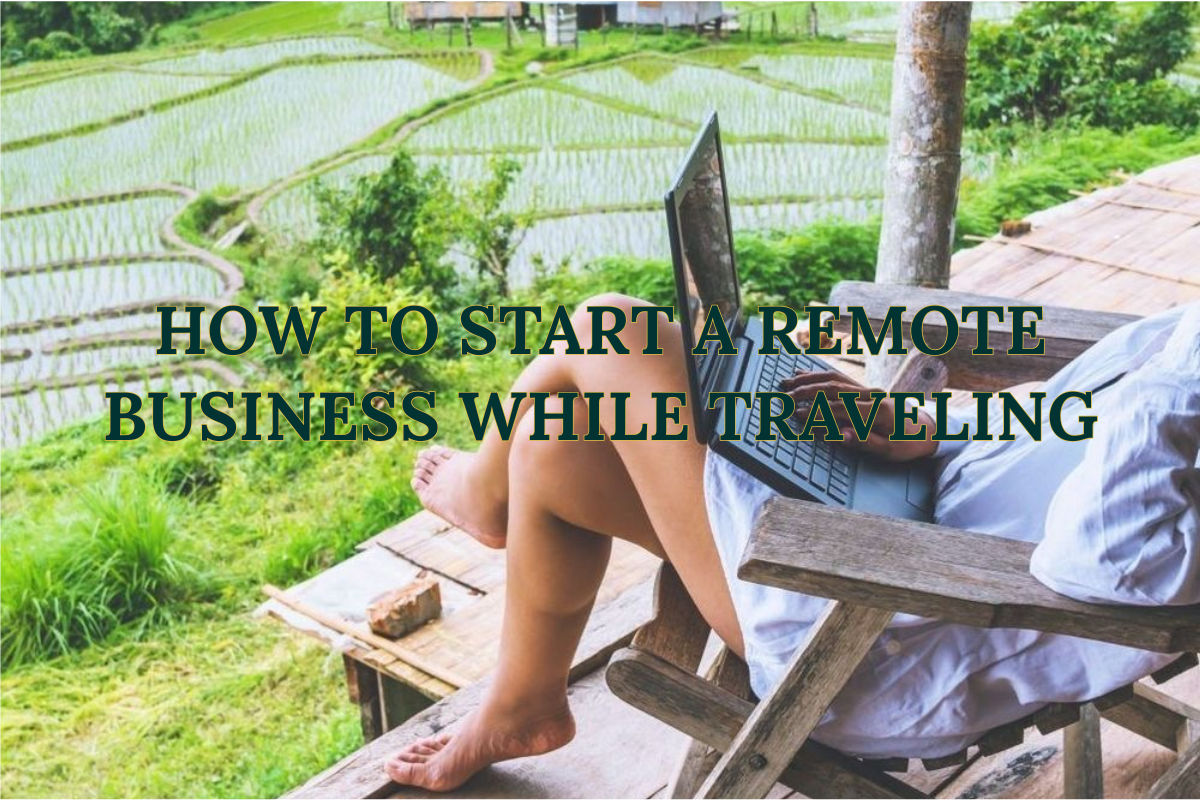
How to start a remote business while traveling: a step-by-step guide to online work freedom
Read moreStarting a remote business while living on the road might sound like a dream, but it's more possible than ever before. This guide explores how to make that leap while embracing the freedom of a nomadic lifestyle.
-
July 7, 2025
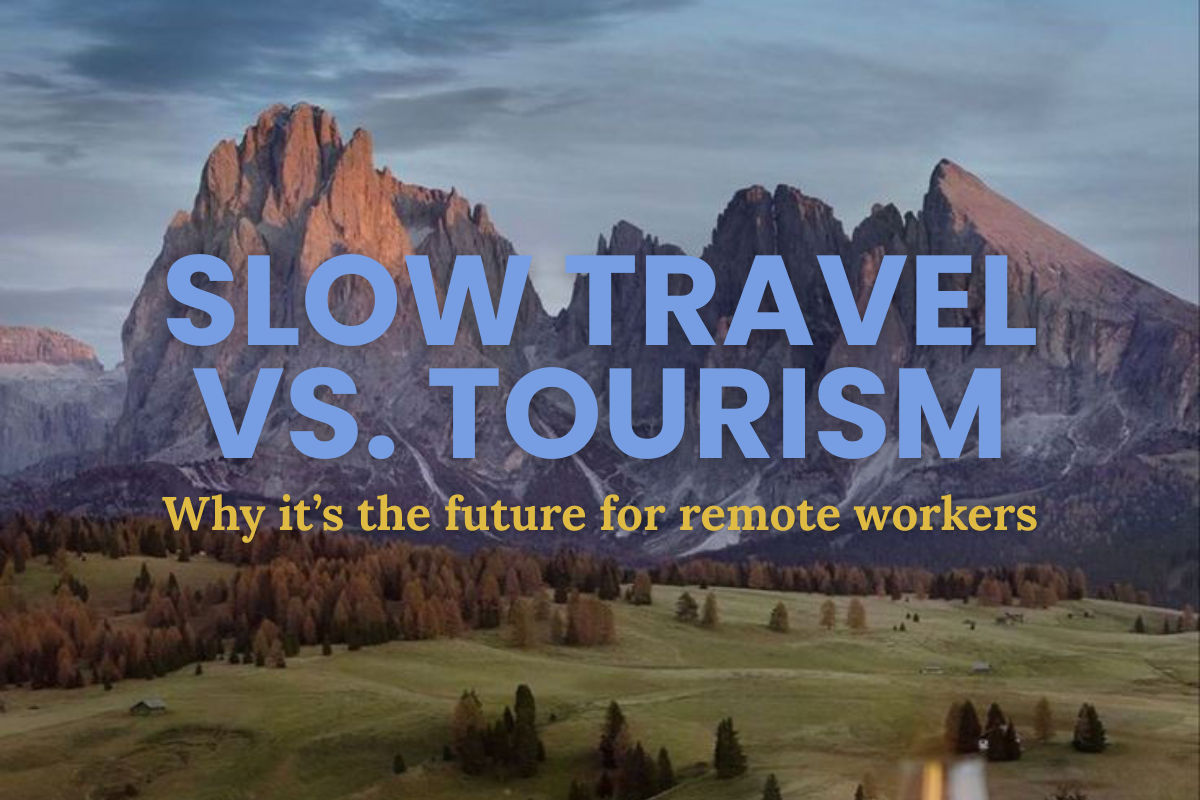
Slow travel vs. tourism: Why it’s the future for remote workers
Read moreA deep dive into the slow travel movement and why it leads to better productivity, well-being, and sustainability.
-
June 30, 2025
Team retreats: The future of work-life balance
Read moreDiscover why team retreats are key to remote team bonding, better productivity, and a healthier work-life balance in today’s flexible work culture.
-
.png?updatedAt=1752685319445)
June 23, 2025
How to get a digital nomad visa in Indonesia: A complete guide
Read moreLooking to work remotely in Indonesia? Discover how to get a digital nomad visa and live the remote lifestyle in this beautiful destination.
-
June 16, 2025
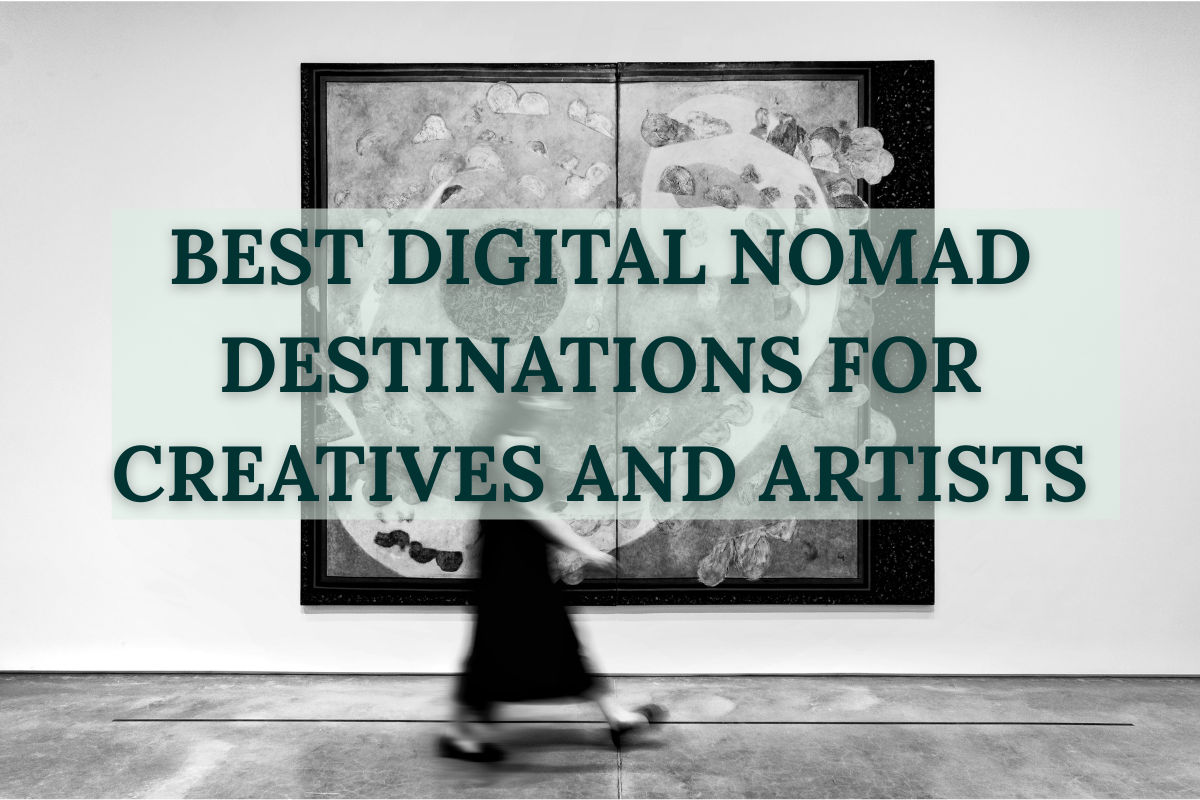
Best cities for artists and creative nomads in 2026
Read moreDiscover the best cities for artists and creative nomads in 2025. Explore where inspiration meets community, with top artistic hubs and cultural spaces worldwide.
-
June 9, 2025
How to network as a digital nomad and find remote work opportunities
Read moreDiscover practical networking strategies for digital nomads to find remote work and build a thriving community.
-

June 2, 2025
Best destinations for digital nomads in 2026 (with Wi-Fi ratings!)
Read moreA ranking of the best cities and towns for digital nomads, with insights into Wi-Fi quality, cost of living, and co-living spaces.
